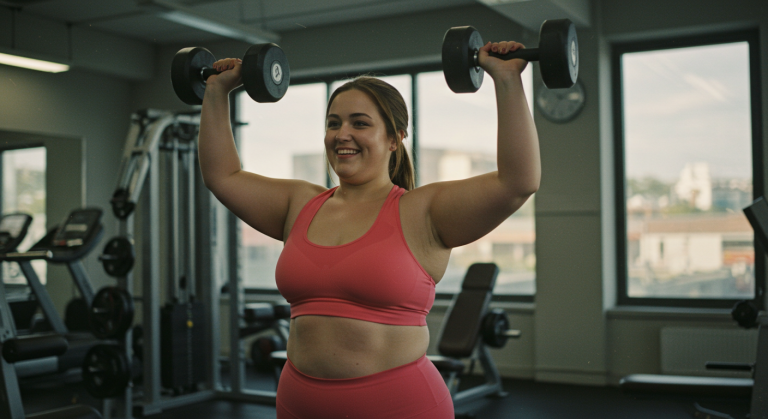
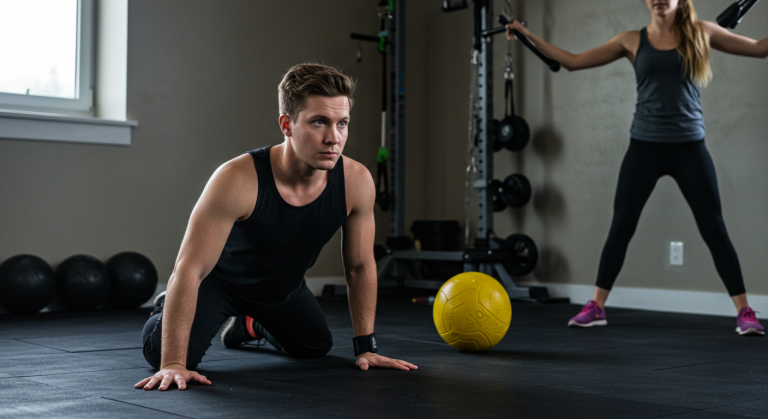
Why Functional Training Exercises Transform Your Fitness
Hey fitness enthusiast! Picture this: you lift a heavy box, climb stairs, or carry groceries with ease, feeling strong and capable. That’s the magic of functional training exercises, and at MyFitnessBible, we’re here to help you unlock it. Unlike workouts that target single muscles, functional training builds strength for real-world movements, enhancing your daily life and overall fitness. Crafted with insights from a certified trainer, this guide explores functional training exercises, providing a detailed list of moves with benefits, reps, and counts. Whether you’re a beginner aiming to move better or an athlete seeking performance gains, this article is your roadmap to everyday strength. These exercises are accessible, engaging, and adaptable, making them perfect for any fitness level. Ready to transform how you move? Let’s dive in!
The power of functional training lies in its practicality. By focusing on movements like squatting, lifting, or twisting, you build strength that makes daily tasks safer and easier. Moreover the blend of power, balance, and mobility creates a well-rounded fitness foundation. Whether you want to improve posture, boost athleticism, or feel more capable, functional training exercises offer a path to lasting strength that’s hard to beat.
What Are Functional Training Exercises?
Functional training exercises are movements that mimic everyday activities, strengthening your body for real-world tasks. Think squats that mirror sitting down, deadlifts that resemble picking up objects, or lunges that echo stepping over obstacles. These exercises engage multiple muscle groups at once, boosting strength, coordination, and balance. As a result you gain practical power that makes tasks like carrying heavy loads or climbing stairs feel effortless.
The science behind functional training is compelling. Unlike isolation exercises that target one muscle, functional movements engage multiple joints and muscles, enhancing coordination and stability. This approach stimulates your nervous system, improving how muscles communicate during dynamic tasks. Additionally functional training strengthens your core, which acts as your body’s stabilizer, reducing injury risk during movement. Consequently you develop a robust foundation that supports both fitness goals and daily activities.
What sets functional training apart is its versatility. You can perform it with minimal equipment like bodyweight, dumbbells, or kettlebells, or in a gym with tools like medicine balls or resistance bands. This flexibility makes it ideal for anyone looking to boost strength, regardless of experience. Plus the engaging nature of multi-joint movements keeps workouts fresh and fun, encouraging consistency.
Benefits of Functional Training for Strength
If you’re new to fitness or looking to enhance your routine, functional training offers a welcoming starting point. Unlike bodybuilding routines that require complex equipment or high-intensity sessions that can feel daunting, functional exercises like bodyweight squats or push-ups are straightforward and scalable. Therefore they allow you to start at your own pace, building confidence and strength without overwhelming your body.
Physically functional training delivers impressive results. It enhances muscular strength across multiple groups, making everyday tasks easier and reducing injury risk. It also improves joint stability and mobility, supporting better posture and movement efficiency. Mentally the dynamic nature of functional workouts boosts focus and engagement, as you coordinate multiple movements. Furthermore the discipline of mastering new exercises fosters resilience, which can enhance other areas of life, like tackling work challenges or staying committed to goals.
The adaptability of functional training is a major draw. You can tailor workouts to fit your schedule, whether you have 20 minutes at home or an hour at the gym. This flexibility ensures consistency, which is key to seeing results. Plus hitting milestones, like mastering a kettlebell swing, feels incredibly rewarding, keeping you motivated to push forward.
Starting Your Functional Training Journey
Kicking off a functional training program is all about setting a solid foundation. Begin by assessing your current fitness level to find a comfortable starting point. Try a simple circuit of bodyweight exercises, like 10 squats, 10 push-ups, and 10 lunges. If you feel overly fatigued or struggle with form, scale back to fewer reps or easier variations, like knee push-ups. Consulting a healthcare professional is wise, especially if you have health concerns, to ensure functional training is safe for you.
Choosing exercises that align with your goals is crucial. Squats strengthen your legs for sitting and standing, deadlifts build power for lifting, and planks enhance core stability for balance. Pick movements that feel engaging, as enjoyment boosts adherence. For instance if you like dynamic workouts, try medicine ball throws or resistance band exercises. Investing in basic gear, like dumbbells or a kettlebell, enhances versatility, though bodyweight alone works well. Affiliate links to quality dumbbells or resistance bands can guide you to reliable products.
Establishing a schedule is the next step. Aim for three to four sessions per week, each lasting 20 to 30 minutes initially. Consistency outweighs intensity at this stage, so focus on building a habit. For example scheduling workouts in the morning or after work can make them a natural part of your routine. Tracking progress with a journal or fitness app can fuel motivation, showing how your strength improves over time.
Key Functional Training Exercises to Build Strength
To help you get started, here’s a curated list of functional training exercises designed to boost strength, mobility, and balance for everyday tasks. Each exercise includes its benefits, recommended reps, and counts, ensuring you can build a solid routine. These moves require minimal equipment and can be done at home or in a gym, making them accessible for all fitness levels.

- Bodyweight Squat: This exercise mimics sitting and standing, strengthening your quadriceps, hamstrings, glutes, and core. It improves leg power and hip mobility, making tasks like getting up from a chair easier. Perform three sets of 12 to 15 reps, resting 30 seconds between sets. Keep your chest up, knees tracking over toes, and lower until thighs are parallel to the ground.

- Push-Up: A full-body move that targets your chest, shoulders, triceps, and core, push-ups enhance upper body strength and stability for tasks like pushing doors or lifting objects. Aim for three sets of 8 to 12 reps, scaling to knee push-ups if needed. Rest 30 seconds between sets, keeping your body in a straight line and elbows at a 45-degree angle.
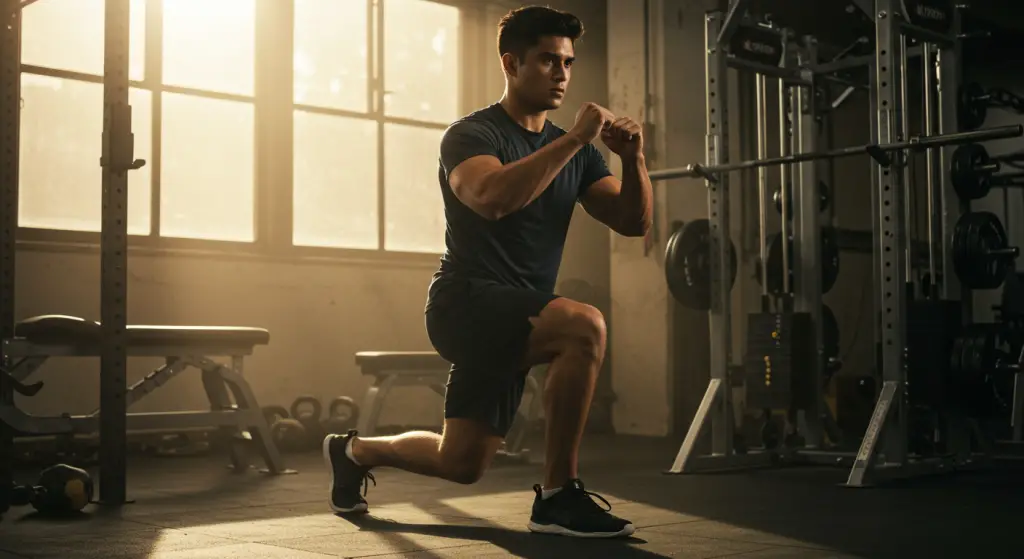
- Lunge: Lunges replicate stepping or climbing, strengthening your quadriceps, hamstrings, glutes, and core while improving balance. They help with tasks like walking up stairs. Perform three sets of 10 reps per leg, resting 30 seconds between sets. Step forward, keep your front knee over the ankle, and lower until your back knee nearly touches the ground.
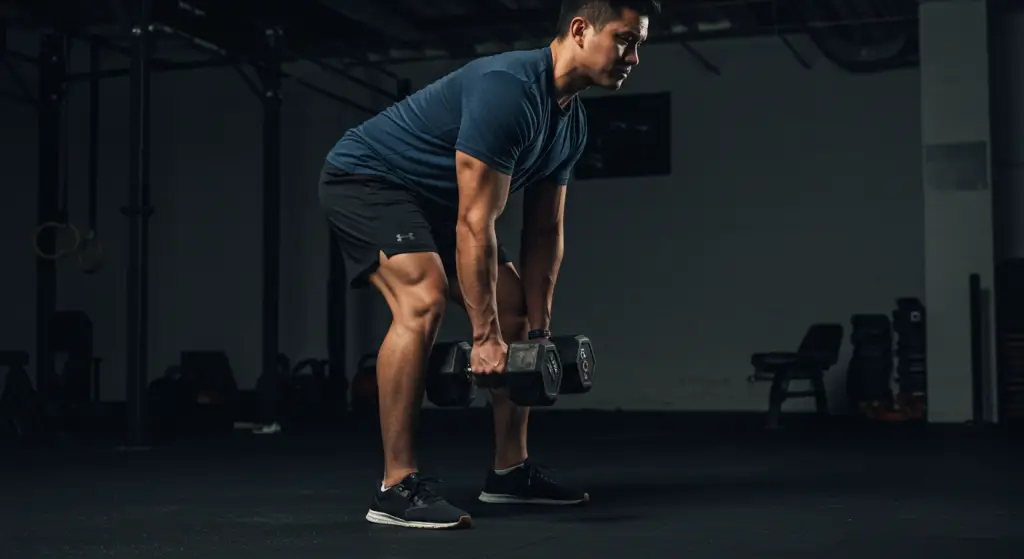
- Deadlift (Dumbbell or Bodyweight): This move mimics lifting objects from the ground, targeting your hamstrings, glutes, lower back, and core. It builds power for tasks like picking up heavy items. Use a light dumbbell or bodyweight for three sets of 10 to 12 reps, resting 45 seconds between sets. Hinge at the hips, keep your back straight, and lift by driving through your heels.
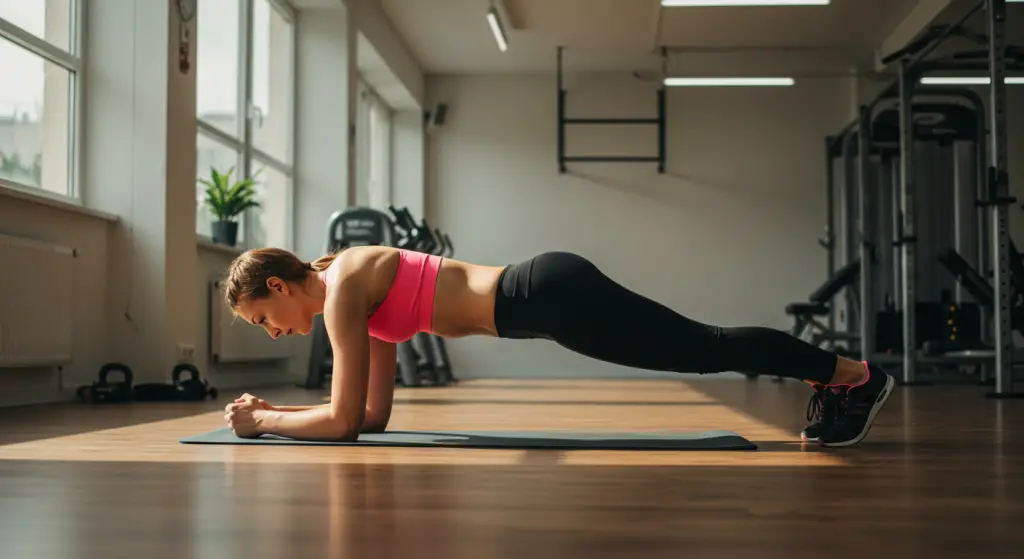
- Plank: A core-focused exercise that strengthens your abs, obliques, and lower back, planks improve stability for all movements. Hold for three sets of 20 to 30 seconds, resting 30 seconds between sets. Keep your body straight, engage your core, and avoid sagging or piking your hips.
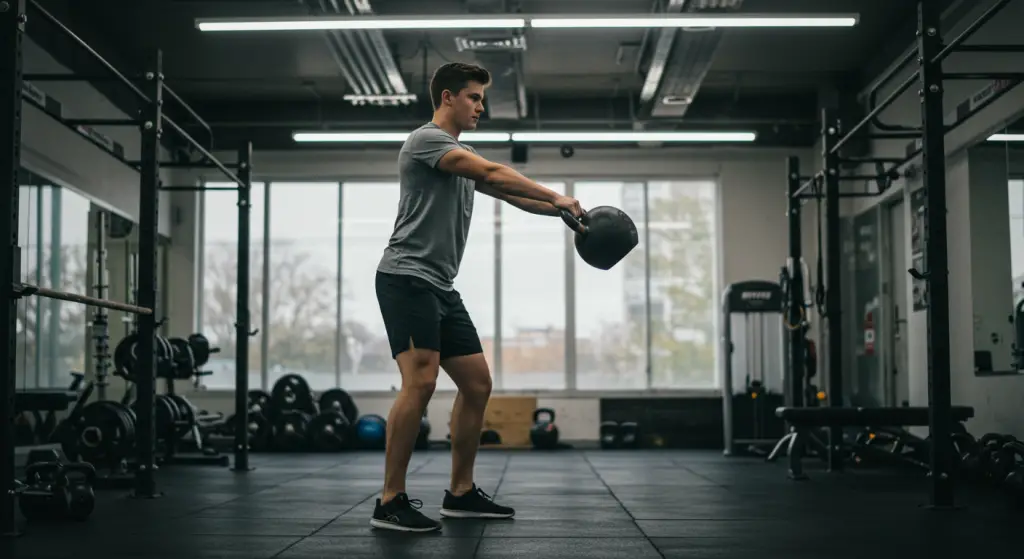
- Kettlebell Swing: This dynamic move targets your glutes, hamstrings, core, and shoulders, boosting power and endurance for tasks like lifting or swinging. Perform three sets of 12 to 15 reps with a light kettlebell, resting 45 seconds between sets. Hinge at the hips, swing the kettlebell to chest height, and drive through your heels.

- Medicine Ball Slam: Slams build explosive power in your core, shoulders, and legs, mimicking throwing or lifting motions. Perform three sets of 10 reps with a light medicine ball, resting 30 seconds between sets. Raise the ball overhead and slam it to the ground, engaging your core and maintaining control.
These exercises form a balanced routine, targeting major muscle groups and movement patterns. Start with bodyweight versions and progress to weights as you gain strength. Affiliate links to kettlebells or medicine balls can help you choose quality equipment.
Building an Effective Functional Training Plan
A well-structured plan is the backbone of successful functional training. Start each session with a warm-up, such as 5 to 10 minutes of dynamic stretches or light bodyweight movements, to prepare your muscles and joints. This step boosts blood flow, reducing injury risk. Similarly end with a 5-minute cool-down, like gentle stretching, to ease your heart rate and promote recovery.
During the main workout, focus on compound movements that engage multiple muscle groups. Exercises like those listed above are ideal, as they mimic real-world actions. Aim for a moderate effort level, where you feel challenged but can maintain proper form. Beginners often err by using too much weight or rushing movements, which can lead to injury. Instead prioritize technique: keep your core engaged, move through a full range of motion, and avoid jerky motions. Fitness apps or videos can help refine form, and affiliate links to training apps offer reliable guidance.
Variety keeps your plan engaging. Rotate exercises weekly, like swapping squats for step-ups or push-ups for plank variations, to target different muscles and prevent boredom. You can also incorporate circuits, performing 10 to 12 reps of three exercises back-to-back, with a minute of rest between rounds. As you progress, increase reps or weight by about 10 percent per week, for example from 10 to 11 squats, to build strength safely. This gradual approach ensures steady improvement without taxing your body.
Fueling Your Body for Functional Training
Nutrition is vital for functional training, providing the energy and recovery support needed to excel. Carbohydrates fuel your workouts, so prioritize complex carbs like whole grains, sweet potatoes, or brown rice for sustained energy. Unlike simple sugars, which cause energy spikes, complex carbs release energy steadily, keeping you powered through sessions. Additionally include lean proteins, such as chicken, eggs, or lentils, to repair and build muscles post-workout. Healthy fats, like those in nuts or olive oil, support overall energy needs.
Hydration is essential. Dehydration can reduce strength and increase fatigue, so aim for 8 to 10 cups of water daily, with extra during workouts. For intense sessions lasting over an hour, electrolyte drinks can replenish salts lost through sweat. Affiliate links to electrolyte powders can guide you to quality products. Timing matters too: eat a carb-rich snack, like an apple with peanut butter, 30 to 60 minutes before training, and a protein-rich meal within two hours post-workout to aid recovery. Planning meals around your workouts ensures your body has the fuel to perform at its best.
Avoiding Common Mistakes
Newcomers to functional training often face challenges that can hinder progress. One frequent error is neglecting rest days. Your muscles need time to recover and grow stronger, so schedule at least one or two rest days per week. Overtraining can lead to fatigue, injury, or burnout, so listen to signals like persistent soreness or low energy and adjust your plan accordingly.
Poor form is another pitfall. Incorrect technique, such as rounding your back during deadlifts or locking knees during squats, can strain muscles or joints. Focus on proper alignment: keep your spine neutral, engage your core, and move smoothly. Watching instructional videos or consulting a trainer can refine your technique. Moreover avoid progressing too quickly. Adding too much weight or reps too soon can lead to injury, so stick to the 10 percent weekly increase rule to stay safe.
Mental Strategies for Staying Committed
Functional training challenges your mind as much as your body. Staying motivated requires strategies to keep you engaged. Setting specific achievable goals, like mastering 10 perfect push-ups, provides direction and a sense of accomplishment. Breaking goals into smaller steps, such as adding one rep per week, makes them less daunting. Visualization is another powerful tool: before a session, picture yourself completing exercises with strength and confidence to boost focus.
Mindfulness can enhance your experience. Focusing on your breathing or the rhythm of your movements during workouts can make sessions feel less taxing. Listening to upbeat music or fitness podcasts can lift your mood, turning challenging workouts into enjoyable moments. Fitness apps with motivational features, available through affiliate links, can further support your commitment by tracking progress and offering encouragement.
Advancing Your Functional Training
After 8 to 12 weeks of consistent training, you’ll likely notice significant strength gains. At this point you can push further by increasing workout duration to 45 to 60 minutes or adding a fifth session per week. Another option is incorporating advanced movements, like single-leg squats or overhead presses, to challenge stability and power. These exercises build on basic movements, enhancing functional strength further.
Supersets are another way to advance. Pair two exercises, like squats and push-ups, performing them back-to-back with minimal rest to boost intensity. You can also explore equipment like battle ropes or sandbags for dynamic full-body challenges. Structured programs, such as a 12-week functional fitness plan, can provide a clear path to progress. Affiliate links to training apps or equipment can offer additional structure to elevate your journey.
Tracking Progress and Staying Safe
Monitoring progress keeps you motivated and informed. Use a journal or fitness app to log workout details, such as reps, weight, and how you felt. Over time you’ll see improvements, like lifting heavier weights with ease, signaling growth. Fitness trackers provide detailed data, like heart rate or calories burned, to fine-tune your training. Affiliate links to devices like Fitbit or Apple Watch can help you choose reliable tools.
Safety is critical, especially for beginners. Always warm up and cool down to prevent injury, and be mindful of environmental factors, like slippery surfaces or improper equipment setup. If you experience pain beyond normal muscle soreness, stop and consult a healthcare professional. Proper hydration and nutrition are also essential to support your body’s needs during training.
Integrating Functional Training into Your Life
The versatility of functional training makes it easy to integrate into your routine. Home workouts with bodyweight or minimal equipment fit busy schedules, while gym sessions offer access to tools like kettlebells or medicine balls. If time is tight, split workouts into shorter circuits, like two 15-minute sessions, to maintain consistency. Outdoor activities, like hill sprints or park workouts, add a refreshing twist while building strength.
To stay committed, engage with online fitness communities on platforms like LinkedIn or Pinterest. Sharing tips or progress can provide accountability and inspiration. Rewarding yourself for milestones, like purchasing new workout gear through affiliate links, keeps enthusiasm high. These strategies ensure functional training becomes a sustainable part of your lifestyle.
The Long-Term Rewards
Committing to functional training yields benefits that extend beyond strength. Your joint health improves, reducing injury risk and enhancing mobility. Your core stability boosts posture and balance, making daily tasks easier. Mentally you’ll experience sharper focus, reduced stress, and greater confidence, all contributing to a higher quality of life.
As you progress, functional training opens doors to new activities, like obstacle course races or group fitness classes. These opportunities enhance your fitness and foster a sense of achievement. By making functional training a regular part of your life, you’re investing in a stronger more capable future.
Conclusion
Functional training exercises are a game-changer for anyone looking to move better, feel stronger, and thrive in daily life. MyFitnessBible equips you with the tools to start strong and progress safely, from choosing the right exercises to fueling your body and staying motivated. Ready to begin? Explore our Workout Strategies category for more tips, and start building your strength today! Affiliate links to fitness trackers, resistance bands, or nutrition products can support your journey, while our science-backed advice ensures you succeed.